
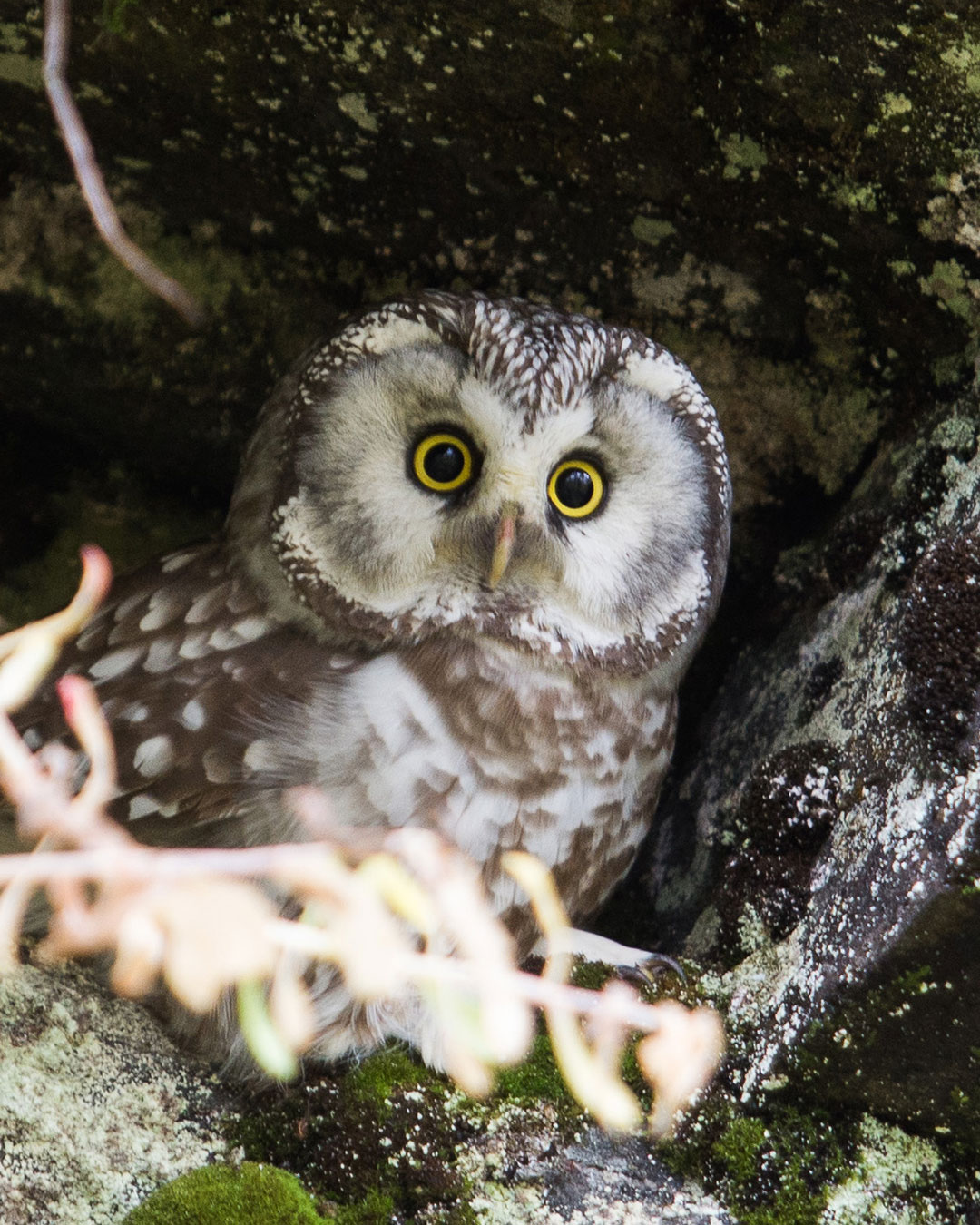
The Missing Layer of Climate Strategy
Why biodiversity belongs in a corporate nature strategy.
Executive Summary
Climate strategies without biodiversity are incomplete. Biodiversity loss is accelerating, and the natural systems that regulate water, soil, pollination, and climate stability are degrading in ways that carry real financial and operational consequences for business.
The science is clear: Climate and biodiversity are not separate problems – they are the same system seen from different angles. Forests sequester carbon, but biodiversity determines whether that storage remains stable over time. Degrade the ecosystem, and the carbon value becomes fragile. A nature strategy that ignores this is built on an unstable foundation.
The regulatory landscape is moving, and fast! Europe’s direction is unambiguous. The EU Nature Restoration Regulation, the Biodiversity Strategy for 2030, and the Deforestation Regulation are reshaping reporting and supply chain obligations across sectors. Companies that fail to understand what nature work actually does will struggle to meet scientific and regulatory scrutiny.
Old-growth forests, which are irreplaceable on any human timescale, represent less than 3% of European forest area, yet are host to many threatened species. Trefadder’s old-growth protection programme in Norway is built to secure exactly this gap.
Download the full whitepaper by filling the form
